
Tips & Guides
Why Students Procrastinate
Veli Kapcak
•2025-05-03
•3 min read
A Research-Based Guide for Educators, Psychologists, and Students
Introduction
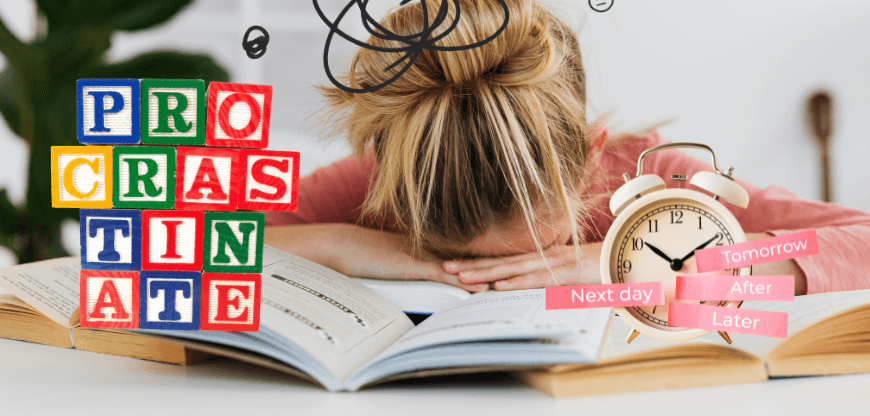
Procrastination is a universal experience, especially among students aged 11–18. Despite being intelligent, capable, and often motivated, students repeatedly delay tasks, leading to frustration, stress, and lower academic performance. This paper explores the psychology behind procrastination, introduces six distinct procrastination styles, and presents practical, research-based strategies to help students break the cycle.Understanding Procrastination
Procrastination isn’t simply about laziness or disorganisation. At its core, it’s an emotional response — a way of avoiding tasks that trigger discomfort, stress, or self-doubt. Psychologically, it reflects challenges in emotional regulation and impulse control. Rather than prioritising long-term growth, students often opt for short-term relief.Common Causes Include:
- Fear of failure or not meeting expectations
- Feeling overwhelmed by complex tasks or unclear steps
- Need for stimulation (e.g. reliance on digital distractions)
- Perfectionism and critical self-talk
- Lack of confidence or emotional support
The Six Procrastination Styles
Through observations and interviews with students, six common procrastination patterns emerge. Each has unique triggers and coping habits. Understanding these can help tailor solutions.The Detailed Perfectionist
- Traits: Seeks flawless work; delays starting due to fear of imperfection
- Behaviours: Over-edits, hesitates, misses deadlines
- Practical Strategies: Set time limits; accept “good enough”; separate drafting and editing
The Dream Chaser
- Traits: Has big ambitions but avoids execution
- Behaviours: Constantly planning; struggles to act
- Practical Strategies: Break ideas into smaller steps; start tiny; focus on one thing at a time
The Chronic Avoider
- Traits: Avoids pressure or discomfort
- Behaviours: Distracted by games, chats, food; delays until panic hits
- Practical Strategies: 5-minute rule to get started, calm study space, seek guidance early
The Crisis-Maker
- Traits: Believes pressure fuels performance
- Behaviours: Always leaves tasks to the last minute
- Practical Strategies: Create early “fake” deadlines; use timers; track the cost of last-minute work
The Rebel
- Traits: Pushes back against control or expectations
- Behaviours: Ignores deadlines to maintain independence
- Practical Strategies: Reframe tasks as choices; align them with personal values; set your own structure
The Busy Bee
- Traits: Always working, rarely on what matters most
- Behaviours: Says yes to everything; avoids top priorities
- Practical Strategies: Identify top 3 priorities daily; practise saying no; schedule focused blocks
Cognitive and Behavioural Insights
Current research in cognitive psychology shows that procrastination is tied to emotion-focused coping and weak executive functioning. Practical tools that improve focus and task initiation include:- The Pomodoro Technique: 25 minutes of focused work, 5-minute break
- The 5-Minute Rule: Start any task with a 5-minute commitment
- Environment Restructuring: Remove distractions, tidy workspace, use focus tools
What Works: Key Strategies for Students
- Micro-Goals: Set a small, achievable target to build momentum
- Visual Tracking: Use checklists, calendars, or progress bars
- Reward Systems: Celebrate progress with breaks or incentives
- Movement Breaks: Stretching or walking boosts attention and energy
- Positive Self-Talk: Replace “I can’t” with “I’ll try 5 minutes” or “It doesn’t need to be perfect”
Changing the Narrative
The biggest myth students believe is, “I’m just lazy.” This narrative causes shame and prevents growth. The truth is: procrastination is often a coping tool. Naming your procrastination style and applying the right techniques gives you control, not just over tasks but also over your time, confidence, and your direction.Conclusion
Procrastination is not a flaw — it’s a learned behaviour that responds to pressure, fear, or distraction. With the right tools and support, students can shift from avoidance to action. Motivation follows behaviour — the key is to start. Helping students identify their procrastination patterns and respond with clear strategies can significantly improve learning, wellbeing, and confidence.References
- Steel, P. (2007). The Nature of Procrastination: A Meta-Analytic and Theoretical Review.
- Sirois, F., & Pychyl, T. (2013). Procrastination and the Priority of Short-Term Mood Regulation.
- Healthline, Verywell Mind, Stylist UK – practical resources on behavioural psychology and student mental health.



Leave a Reply
2 Thoughts on this Article
JD
John Doe
•July 16, 2024
This was an incredibly helpful checklist! It made the application process so much less stressful. Thank you!
JS
Jane Smith
•July 17, 2024
Great article! I especially found the section on financial documents useful. I wish I had this when I was applying.